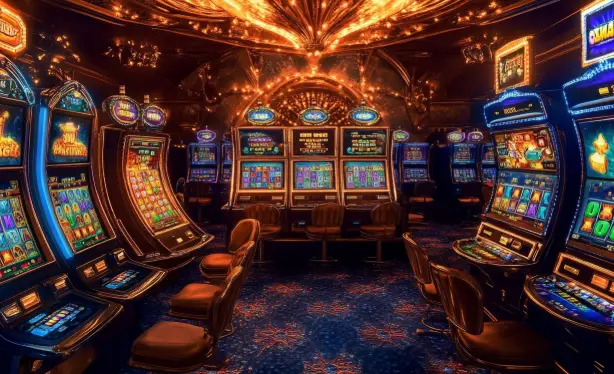
Council Bluffs Casino Omaha: The Missouri River Crossing That Defines Iowa Border Access
The Missouri River is not just a scenic boundary between Nebraska and Iowa—it is the single most exploited geographical loophole in the Midwest gambling corridor. Council Bluffs sits directly across from Omaha, and that narrow stretch of water creates one of the most lopsided regulatory arbitrage plays in the United States. Omaha residents can drive ten minutes, cross a bridge, and walk into a full-scale casino floor that their own state spent decades refusing to license. That is not convenience. That is a structural advantage baked into Iowa border access, and the operators in Council Bluffs have been milking it for every dime.

The Regulatory Physics of a Two-State Casino Funnel
Here is the raw mechanic: Nebraska has no commercial casino infrastructure of comparable scale within the Omaha metro. Iowa legalized riverboat gambling in 1991 and later allowed land-based licenses, and Council Bluffs grabbed three of them—Ameristar, Harrah's, and Horseshoe. That is three properties clustered within a five-mile radius, all pointed directly at a metro population of nearly one million people who have zero local alternatives. 🎰 The result is a captive demand funnel that functions like a bottleneck valve. Every dollar that crosses the I-480 or I-29 bridge into Council Bluffs is a dollar that Nebraska's gaming economy never touches, and the volume is staggering. Council Bluffs casino revenue regularly ranks among the top gaming markets in Iowa despite the city's modest population, precisely because the Omaha feeder market does the heavy lifting.
Why the Omaha-Council Bluffs Corridor Beats Every Other Border Play
Compare this to other cross-border gaming setups across the country and the Council Bluffs model stands out for one brutal reason: proximity density. The drive from downtown Omaha to the Horseshoe Casino floor is under fifteen minutes in normal traffic. That short commute eliminates the friction that kills most border casino economics. Casino trips are impulse-driven and time-sensitive—if the round trip eats three hours, the gambling budget shrinks. When the trip is a quick bridge hop, the frequency spikes. Operators know this cold, which is why the Council Bluffs properties invest heavily in loyalty programs targeting Nebraska zip codes and why shuttle services and cross-river promotions are standard operating procedure. The Council Bluffs casino Omaha relationship is not incidental tourism. It is engineered retention.

Infrastructure and the I-29/I-480 Access Geometry
The road network itself is a casino asset. I-480 dumps Omaha traffic directly onto the Council Bluffs riverfront corridor where the major properties cluster. I-29 provides a north-south spine that pulls in gamblers from as far as Sioux City and the Nebraska hinterlands. 🛣️ The bridge toll structure, the interchange design, and the signage placement all favor rapid casino access with minimal friction. From a pure logistics standpoint, the Council Bluffs cluster is one of the best-positioned gaming zones in the country relative to its feeder metro. The parking garages connect almost directly to the gaming floors, which sounds trivial until you realize that every layer of friction between the highway exit and the slot machine reduces conversion. The operators here have removed nearly all of it.
Tax Arbitrage and the Revenue Split That Nebraska Cannot Match
Iowa taxes casino gaming revenue at a graduated rate that tops out around twenty-two percent, and a slice of that flows back to the host city and county. Nebraska's recent racetrack casino expansion is still finding its footing, but the tax and regulatory framework differs enough that Council Bluffs retains a structural cost advantage on promotional spending and player reinvestment. That means higher free-play offers, better comps, and more aggressive table game rules—all funded by the regulatory gap. 🎲 The math is unforgiving for Nebraska: every year the state delays full commercial casino maturity in the Omaha metro, Council Bluffs collects the overflow. The three Council Bluffs properties together generate gaming revenue that dwarfs what Nebraska's emerging racinos have managed so far, and the bridge traffic data backs it up.
The Player Economics of Crossing State Lines
For the gambler, the value proposition is simple and it is not about patriotism to either state. It is about floor size, game variety, and comp velocity. Ameristar Council Bluffs runs a hotel and a full pit that Omaha cannot currently replicate. Horseshoe brings the brand loyalty infrastructure. Harrah's leverages the national rewards network that lets Omaha players earn and burn points across dozens of properties. That network effect is a moat. A player in Omaha who is already enrolled in a national loyalty program has a built-in incentive to cross the river rather than seed a new account at a Nebraska racino. The Iowa border access advantage compounds because the comp currency is portable and the Omaha player base is already locked into those ecosystems.
The Bottleneck Will Not Last Forever
Nebraska's casino buildout is progressing, and every new gaming floor in the Omaha metro erodes the Council Bluffs monopoly by a measurable percentage. The operators in Council Bluffs know this and are front-loading capital investment into property upgrades while the arbitrage window is still wide. The question is not whether the bridge traffic will decline—it will, incrementally—but how much of the Omaha player base remains sticky once local options mature. Loyalty lock-in, hotel inventory, and the sheer scale of the riverfront cluster are the defensive moat. But moats erode, and the twenty-two percent tax line versus Nebraska's evolving structure is the number that decides how long Council Bluffs keeps eating Omaha's lunch.